No products added!

CHF168.00
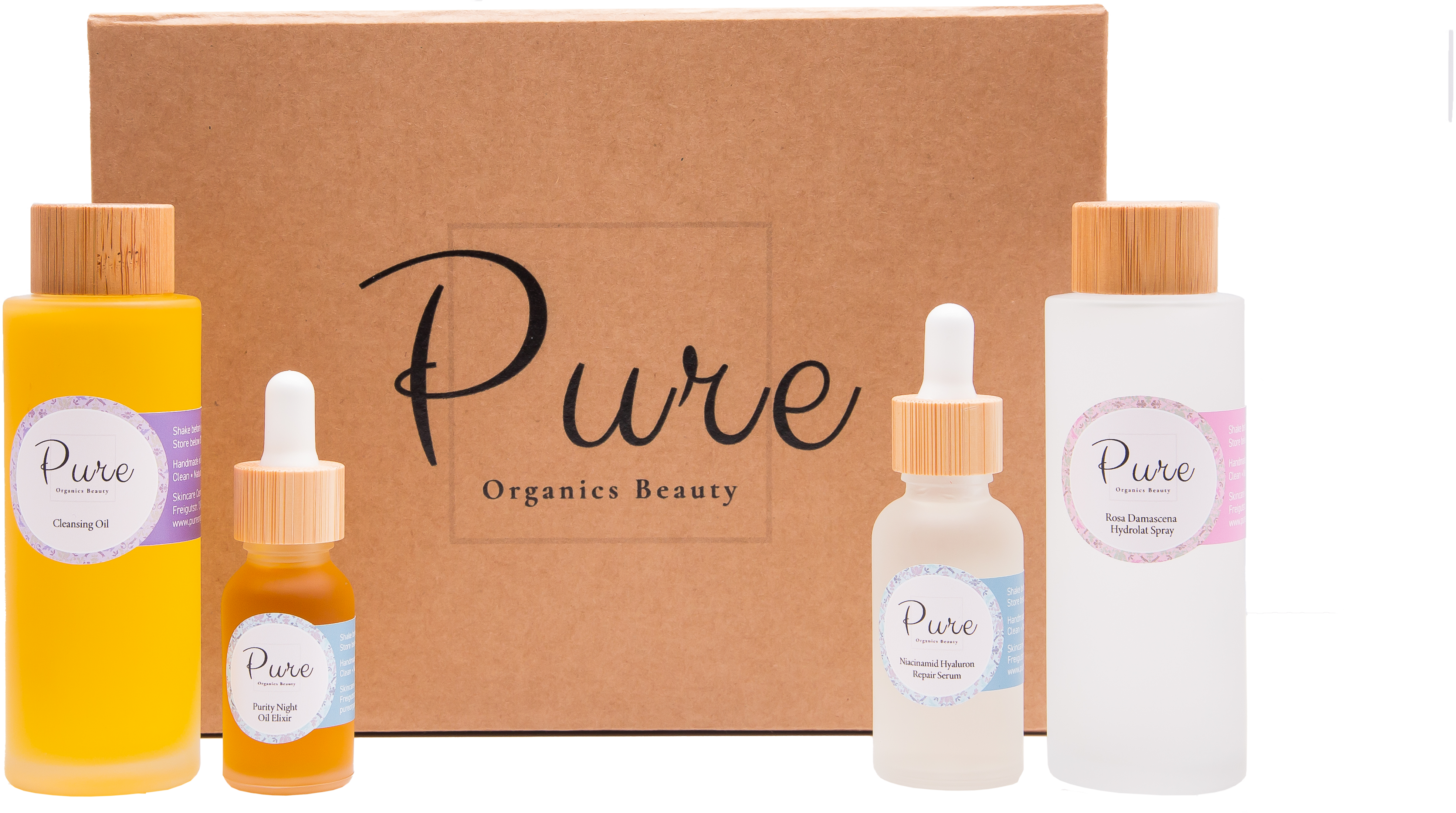
Our skincare set for oily and blemish-prone skin offers a comprehensive and targeted solution for the specific needs of this skin type. Oily and blemish-prone skin is characterized by increased sebum production, disrupted keratinization, and inflammation, making thorough cleansing and mindful care top priorities.
It's essential to choose the right active ingredients that address these issues without excessively drying or damaging the skin. A delicate balance of efficacy and gentleness ensures that the skin remains balanced and healthy while effectively combating blemishes and inflammation.
By integrating these carefully selected products into their skincare routine, individuals with oily and blemish-prone skin can achieve a stable, clear complexion. Consistent and correct use of these products is essential to achieve optimal results and improve overall skin health.
The set contains:
Cleansing Oil 90 ml
Rosa Damascena Hydrolat Spray 90 ml
Niacinamid Hyaluron Repair Serum 30 ml
Purity Night Oil Elixir 15 ml
Oily & Blemished Skin
Oily skin is primarily caused by seborrhea, which means that the sebaceous glands produce excessive amounts of sebum. Sebum is the natural oil the skin produces to lubricate and protect itself. In oily skin, this overproduction of sebum leads to a buildup of oil on the skin's surface, resulting in a greasy or shiny appearance.
The excess sebum is expelled through the follicles, the openings in the skin from which hair grows. When sebum accumulates in these follicle openings, it can mix with dead skin cells and other impurities, leading to the formation of blackheads and pustules. Additionally, hyperkeratosis, which is the thickening of the outer skin layer, can contribute to the formation of papules, small raised bumps on the skin.
The excess sebum and impurities in the follicle openings can also cause the pores to enlarge, leading to a rough or textured skin surface. This is often observed in people with oily skin and contributes to the appearance of large pores.
Chemical changes in the composition of sebum can make oily skin particularly prone to inflammation. The pH level of the skin's hydrolipid film, a thin protective layer on the skin's surface, can be more alkaline in individuals with oily skin. This shift can weaken the skin's natural defenses, making it more susceptible to bacterial growth and inflammation.
Oily skin typically begins during puberty when hormonal changes trigger increased sebum production. It usually peaks between the ages of 18 and 20. However, for some individuals, oily skin can persist beyond puberty, although it often becomes less severe in the following years.
To manage oily skin, it is important to establish a consistent skincare routine that helps regulate sebum production, cleanse clogged pores, and reduce inflammation. This may include using gentle cleansers and skincare products specifically designed for oily skin. Additionally, maintaining a healthy lifestyle, including a balanced diet, can also help effectively treat oily skin.
Acne
Acne is a common skin condition characterized by inflammation of the skin appendages, including the sebaceous glands and hair follicles. It is considered the most prevalent skin condition worldwide and affects people of all ages, although it predominantly occurs during puberty.
Characteristic acne lesions include comedones (such as blackheads and whiteheads), papules, and pustules, which can vary in severity and distribution on the skin. While acne often resolves on its own by the age of 25, it can persist beyond this age in some individuals. Hormonal fluctuations play a significant role in the development of acne, with puberty being a classic trigger due to increased hormone production.
However, hormonal changes during pregnancy, menopause, menstruation, and the discontinuation of hormonal contraceptives can also contribute to acne flare-ups. Additional risk factors for acne include genetic predisposition, psychological stress, and lifestyle factors such as diet and skincare habits.
Acute stress situations can exacerbate acne outbreaks, likely due to the release of stress hormones that can influence sebum production and skin inflammation. Additionally, certain cosmetic products containing lipids or comedogenic substances, medications, and dietary factors can stimulate sebum production and contribute to the development of acne lesions.
Maintaining a healthy lifestyle, including a balanced diet, regular exercise, and effective stress management techniques, can help reduce the risk of acne and improve overall skin health. Additionally, establishing a consistent skincare routine with non-comedogenic products and seeking professional treatment when needed can aid in managing acne and minimizing its impact on daily life.
Application
Cleansing Oil - It is important to shake the oil well before use to ensure proper mixing of the two phases. Then, massage the oil with wet hands into dry skin, including the eye area, and rinse thoroughly with plenty of water. For makeup, apply the oil again and repeat the process for a complete cleanse.
Rosa Damascena Hydrolat - Spray the rose hydrosol generously onto the skin after cleansing, then apply your skincare products. Use as needed, several times a day.
Niacinamid Hyaluron Repair Serum – Shake well before use. After cleansing, apply 3 drops of serum into your hands and gently apply it to the skin.
Purity Night Oil Elixir - After cleansing, spray the skin with rose hydrosol. Apply 3 drops of the Niacinamide Hyaluron Repair Serum, followed by 3 drops of the Purity Night Oil Elixir, avoiding the eye area. Products containing certain essential oils should not be used during pregnancy or while breastfeeding. Do not use the oil during the day if you will be exposed to the sun or outdoors.
Only logged in customers who have purchased this product may leave a review.
 English (UK)
  Deutsch (Schweiz)
Reviews
There are no reviews yet.